
When a Wisconsin heat wave hits, soaring temperatures and high humidity can strain your air conditioner. This often leads to high energy bills and an uncomfortable home. But don’t sweat it! Efficiently cooling your home involves more than just cranking down the thermostat.
A combination of good cooling habits, simple home maintenance, and HVAC efficiency improvements can help you stay comfortable while keeping energy costs in check. Let’s dive into practical strategies that make a huge difference when the De Pere weather gets hot.
Why Heat Waves Make Your AC Work Harder
Your air conditioner’s main job is to pull heat from your home and move it outside. On a normal summer day, this process is straightforward. When a heat wave strikes, the much higher outdoor temperature creates a bigger difference for your system to overcome, forcing it to run longer to achieve the same cooling effect.
This prolonged operation has a few effects. First, your energy consumption increases. Second, the constant work puts extra wear and tear on the mechanical components of your AC, from the compressor to the fan motor. It’s normal for your system to run longer during a heat wave, but it’s important to know the difference between a hard-working system and one in trouble.
Is It Normal for Your AC to Run Most of the Day?
During the peak of a sweltering Wisconsin afternoon, it can be normal for your AC to run for long stretches. It’s working to combat constant heat gain from outside. However, if your system runs constantly but the house never reaches the temperature set on the thermostat, that could signal a problem. Other signs of a struggling system include strange noises, weak airflow, or unexpectedly high utility bills.
Start With Your Thermostat Settings
One of the simplest and most effective efficiency improvements is at your fingertips: the thermostat. Many people believe setting the thermostat to a very low temperature will cool the home faster. In reality, an AC cools at a set rate, so dropping the temperature drastically just makes it run longer to reach that lower setpoint, using more energy.
A better strategy is to find a comfortable, slightly higher temperature and leave it there. A programmable or smart thermostat is a great tool for this. You can program it to raise the temperature a few degrees when you’re away and lower it just before you return. This simple habit helps you balance comfort and efficiency.
How to Reduce Heat Gain Inside Your Home
Think of your home as being in a constant battle with the sun. Sunlight streams through windows, and outdoor heat seeps in through walls and roofs, forcing your AC to work overtime. This is called “heat gain.” Reducing it is a great way to give your cooling system a break.
You can reduce heat gain with a few simple steps:
- Close blinds and curtains on sunny days
- Use blackout curtains for best results
- Keep doors and windows shut
- Limit use of heat-producing appliances
- Seal air leaks around windows and doors
Each of these steps prevents extra heat from entering your home, which means your AC has less work to do. Less work for your AC equals lower energy use and more savings.
Why Airflow Matters More Than You Think
Proper airflow is critical for efficient cooling. Your HVAC system is designed to circulate a specific volume of air, and anything that gets in the way can cause problems. When airflow is restricted, your system can’t distribute cool air effectively, leading to hot spots and reduced comfort.
Common culprits that restrict airflow include dirty air filters and blocked vents. It’s easy to accidentally place furniture, rugs, or drapes over supply registers or return air grilles. Even keeping all interior doors closed can restrict the air’s return path to the unit. Fixing these issues is key to improving your system’s performance and lowering operating costs.
How Often Should You Check Your Air Filter During Summer?
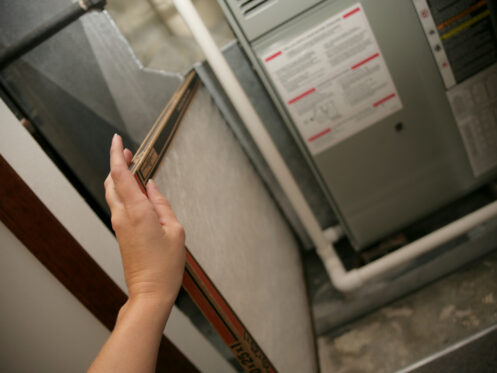
During summer, when your AC runs frequently, your air filter is working hard. We recommend checking it at least once a month during peak cooling season. If you have pets or live in a dusty area, you may need to check it more often. A clean filter promotes better airflow for efficiency and improves your home’s indoor air quality.
Use Ceiling Fans to Support Your Cooling System
Ceiling fans offer a neat trick: They don’t lower a room’s temperature, but they can make you feel cooler. The air movement creates a wind-chill effect on your skin, helping moisture evaporate more quickly. It’s a simple and effective way to feel more comfortable.
Because fans help you feel cooler, you can often raise your thermostat by a few degrees without sacrificing comfort. Raising the setpoint means your AC runs less, which saves significant energy. Remember to turn fans off when you leave the room because they cool people, not empty spaces.
Don’t Overlook Attic and Insulation Issues
Your attic can become very hot on a summer day, sometimes reaching over 150°F. If your home has inadequate insulation or poor attic ventilation, that intense heat can radiate into your living spaces, making your AC’s job much harder.
Proper insulation acts as a thermal barrier, slowing heat transfer. Good attic ventilation, through soffit and ridge vents, allows superheated air to escape. Air sealing prevents hot attic air from leaking into your home. A well-insulated and ventilated attic is a cornerstone of an energy-efficient home, especially during tough Wisconsin summers.
Why Preventive AC Maintenance Pays Off During Heat Waves
You wouldn’t run a marathon without training, and you shouldn’t send your AC into a heat wave without some prep work. Professional AC maintenance ensures your system is clean, calibrated, and ready to perform at its best when demand is highest. During a tune-up, a technician will inspect critical components like refrigerant levels, electrical connections, airflow, and coil cleanliness.
These checks can catch small issues before they become major breakdowns, which often happen during periods of extreme heat. Investing in regular maintenance is one of the best ways to ensure your system is reliable and efficient. We offer maintenance agreements to make staying on top of your tune-ups easy.
Warning Signs Your AC May Be Struggling
Even with the best preparation, the strain of a heat wave can expose underlying problems with your cooling system. Recognizing the warning signs can help you prevent a complete breakdown.
Keep an eye out for these red flags:
- Uneven cooling or hot spots
- Weak airflow from vents
- Sudden spikes in energy bills
- Frequent on-and-off cycling
- Warm air from the vents
- Grinding, squealing, or clanking noises
If you notice any of these symptoms, don’t ignore them. It’s much better to have a professional take a look. Prompt AC repair service can often prevent a small issue from becoming a costly emergency. When you need help, you can count on a trusted AC company in De Pere like ours.
How Can You Stay Comfortable Without Wasting Energy This Summer?
Staying cool during a Wisconsin heat wave doesn’t have to mean breaking the bank. By focusing on smart thermostat management, reducing heat gain, ensuring good airflow, and staying on top of routine maintenance, you can improve your home’s cooling efficiency. Every small adjustment adds up to a meaningful difference in your comfort and energy bills.
If you need help getting your cooling system ready for the heat or run into trouble, our team is here to help. For expert HVAC services you can trust in De Pere, WI, contact Healthy Home Heating & Cooling LLC today!
