
Wisconsin winters are notoriously harsh. Early on, the snow may look picturesque, and the chill feels manageable. In February, temperatures often remain brutal, and the snow can turn to sleet or ice, making even short trips feel like a burden. Inside, homes can start to feel the effects of winter, with cold spots and drafts that make it hard to stay cozy.
Drafts are often caused by common HVAC issues or problems with your home’s insulation and ductwork. Understanding the typical causes and addressing them promptly can make a dramatic difference. These improvements can increase comfort, reduce heating costs, and help ensure you return to a warm home after braving the cold.
Why Prolonged Cold Weather Makes Drafts More Noticeable
January is typically the coldest month in Wisconsin, which means your heating system has already been working hard for months. It has battled some of the lowest temperatures and harshest wind chills the state sees each year. By February, extended cold and constant operation can take a toll on your system. Additionally, airflow through intake and exhaust vents can be partially blocked by snow and ice. General wear and tear can also begin to affect performance due to a lack of maintenance.
By early February, many homeowners notice their homes feel draftier than usual. When temperatures drop below zero at night and remain cold during the day, the house has little time to recover warmth. Warm air rises and escapes through gaps, while cooler air from the basement rises to replace it. This phenomenon, called the stack effect, is a common reason homes feel particularly drafty during the heart of winter.
Bad Ductwork Is Often the Culprit
One of the most common reasons a home feels drafty in February is leaky, blocked, or deteriorated ductwork. Many Wisconsin homes have basements and attics, so HVAC systems must move air across multiple levels. When ducts run through unconditioned spaces such as basements, attics, or garages, even small gaps or leaks allow warm air to escape and cold air to enter. By the time the air reaches your living spaces, it may feel lukewarm. This lackluster heating does little to combat cold winter conditions.
Another common issue that becomes more noticeable in February is uneven heating throughout your home. Rooms closest to your heater feel warm, while those at the far end of the ductwork remain cold and drafty. A professional can inspect your ductwork to find leaks and seal them. They can also recommend ways to insulate your ducts in unconditioned areas such as basements, crawl spaces, and attics. If it has been a while, having your ducts cleaned can also help. Experts recommend scheduling this service every three to five years to remove debris that impedes airflow.
Heater Reaching the End of Its Lifespan
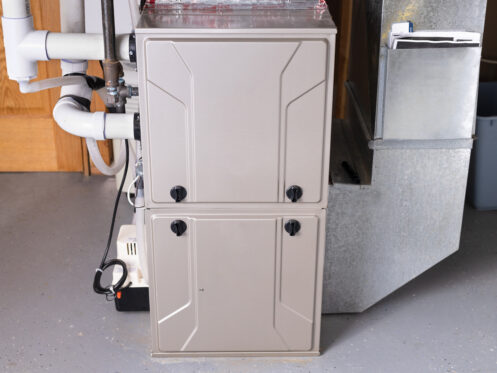
In Wisconsin, furnaces do far more work than those in milder climates. While homeowners farther south may run their furnaces only a few hundred hours per year, northern systems can log thousands of hours. They not only operate continuously but also work against extreme cold snaps. Even furnaces designed to last 15 to 25 years experience accelerated wear in Wisconsin’s harsh winter conditions.
Sometimes, persistent cold spots aren’t the result of a malfunction but simply an aging furnace that can no longer keep up. While repairing a newer furnace is a solid financial decision, replacing an outdated system may be the most effective solution. Modern furnaces offer improved efficiency, better temperature consistency, and lower energy bills. Upgrading your HVAC system ensures a warmer, more comfortable home while reducing long-term operating costs.
Sometimes, Your Thermostat Is the Problem
In some cases, the problem isn’t the furnace itself but the thermostat controlling it. Older or malfunctioning thermostats may not communicate accurately with your heating system. As a result, the temperature your furnace produces may not match the setting on the wall. Your home being a few degrees colder might go unnoticed during milder seasons. However, an inaccurate thermostat becomes much more noticeable during Wisconsin’s bitter winter months.
Upgrading your thermostat can often resolve these comfort issues while offering additional benefits. Homeowners using older analog thermostats may be surprised by how precise modern models have become. Smart thermostats allow you to control indoor temperatures remotely and automatically adjust settings throughout the day based on occupancy and outdoor conditions. You can raise the temperature before heading home, ensuring a warm, comfortable space when you arrive. If your HVAC technician identifies the thermostat as contributing to uneven temperatures, upgrading to a modern thermostat can be a practical and cost-effective improvement.
Uneven Airflow and Poor Air Balancing
If your entire home doesn’t feel cold, but one room feels noticeably colder than the rest, air balancing may be the issue. Air balancing problems occur when rooms receive too much or too little heated air compared to others. In these cases, your furnace and duct system may be functioning properly, but airflow is not being distributed evenly throughout the home.
Sometimes, the cause is relatively simple. A supply vent or return grille may be blocked by furniture, rugs, or curtains, restricting airflow into the space. In other cases, dampers inside the ductwork may be improperly set and fail to direct heated air to where it is needed. An HVAC technician can evaluate airflow, adjust dampers, and recommend duct modifications if needed to restore consistent comfort.
Insulation and Air Sealing Problems
Drafts can be the result of insufficient attic insulation or poorly sealed windows and doors. Even gaps around exhaust fans and vents can allow cold air to penetrate your home. These issues are especially noticeable during February cold snaps, when the temperature difference between indoors and outdoors is at its greatest.
Homeowners can take steps to reduce drafts by sealing obvious gaps around doors and windows, adding weather-stripping around exhaust fans and vents. Developing good heating habits, such as keeping exterior doors closed and maintaining consistent thermostat settings, can also help. If these steps don’t resolve the issue and cold spots persist, a professional assessment can help identify hidden insulation problems.
Contact Your Local HVAC Experts
At Healthy Home Heating & Cooling LLC, we have been serving the residents of Appleton, WI, and the surrounding areas since 2005. We install, maintain, and repair heating and cooling systems. You can also count on us for your ductwork needs, including duct repairs and cleaning. Additionally, many of our customers take advantage of our maintenance plans to make caring for their system easy. Members get two tune-ups a year, a discount on repairs, and priority service.
Contact us today to schedule an appointment with one of our experienced technicians.
