
Spring temperatures are notoriously unpredictable in Wisconsin, often requiring both heating and cooling in a single day. In the morning, air masses from the north can dramatically lower temperatures to winter-like levels. In the afternoon, northward jet streams can rapidly increase temperatures, even to summer-like levels. Let’s explore how to prepare your HVAC system to withstand these sharp, sudden temperature swings.
Optimal Thermostat Settings
The Department of Energy recommends 68 degrees Fahrenheit in cold weather and 78 degrees in hot weather. These suggestions strike a balance between comfort and energy efficiency. During a Wisconsin spring, you can benefit from the lower recommendation at night and in the morning; you can benefit from the upper recommendation in the afternoon. Dress in layers, so you can add and remove layers as necessary to remain comfortable.
Automatic Temperature Adjustment
While sharp ambient temperature swings may be unavoidable, you want to avoid them in your home. It costs more money and creates more wear and tear to achieve a temperature than maintain it. Every Wisconsin household can benefit from a programmable thermostat. During spring, you can have distinct settings for evening, morning, and afternoon. A smart thermostat is even better, as these systems can often optimize your system’s transitional periods.
Seasonal Cooling Maintenance
Schedule cooling maintenance every year in the early spring or even late winter. That service will include a multipoint inspection and thorough cleaning. A technician will correct any normal wear and tear and recommend proactive repairs if necessary. It’s better to replace a worn ball bearing now, for instance, than wait for it to fail. Seasonal maintenance will also include thermostat cleaning and calibration, which is crucial for the spring ahead.
Seasonal Heating Maintenance
You generally don’t need to schedule two heating tune-ups a year. In many U.S. climates, HVAC experts recommend scheduling heating maintenance in the fall. In Wisconsin, it can be worthwhile to schedule it in the spring instead. A technician can address any of the wear that occurred throughout winter and prepare the system for the occasional spring usage.
Duct Inspections and Maintenance
Seasonal HVAC maintenance will include a visual inspection of your exposed ductwork. Every several years, you should schedule a duct camera inspection for a full assessment. A technician can then recommend any needed duct maintenance. The average household needs professional duct cleaning every three to five years. As duct age, you may need new insulation, duct sealing, and other duct repairs.
Outdoor Unit Maintenance
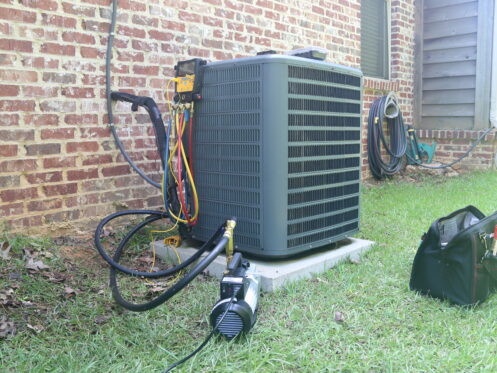
Central air conditioners and heat pumps have an outdoor unit that houses the compressor, condenser coil, fan, and other components. Maintain a 1- to 3-foot perimeter around it that’s free of grass, bushes, and overhanging branches. Never cover the outdoor unit. Check it at least once a week during spring. Use a leaf blower as needed to clear out branches, leaves, and other debris.
Other Smart Thermostat Features to Consider
All smart thermostats have Wi-Fi capabilities for remote access and control. There are also many other features that are beneficial for Wisconsin households.
Real-Time Weather Monitoring
A smart thermostat with internet-enabled real-time weather monitoring can recognize incoming warm and cold fronts. The system can then begin to change the indoor temperature gradually in order to avoid the sharp, sudden transitions. This feature can lower your spring heating and cooling costs and save wear and tear on your HVAC equipment.
Adaptive Learning
A learning thermostat can make changes over time without human interaction. These thermostats can program themselves and adjust schedules based on climate and household behaviors. Learning thermostats can also optimize performance during transitional periods to minimize energy consumption and equipment wear.
Energy Monitoring
Energy monitoring smart thermostats can alert you to sudden spikes in energy consumption. They can detect these spikes in days or even hours, rather than monthly when you get your bill. These systems also provide insights through custom reports. Those reports can help you identify when your household is being efficient and when it isn’t.
Demand Response Compatibility or Rate Awareness
Many Wisconsin utilities offer demand response programs that can help you limit high energy usage during peak rate periods. By opting in, you give your service provider light control of your thermostat in return for a bill credit. If demand response isn’t an option in your area, you can opt for a thermostat with internet-powered rate awareness.
HVAC Filter Selection and Maintenance
Choose a premium HVAC filter with the appropriate dimensions: length, width, and thickness. Note the filter’s minimum efficiency reporting value (MERV). Most modern systems support between MERV 8 and 13, so that’s what you should target. Check your filter at least once a month during spring and replace it as needed. It’s not unusual to need monthly or more frequent filter replacement with both the heating and cooling systems cycling so much.
Improve Your Circulation and Ventilation
Use ceiling fans throughout your home to improve comfort and indoor air quality. Smart ceiling fans can switch their fan speed and rotation based on the ambient temperature. For improved ventilation, consider adding an energy recovery ventilator (ERV). ERVs can precool and preheat the incoming fresh air, eliminating much of your springtime heating and cooling needs. They can also remove and add moisture to and from the incoming air as needed.
Enhance Your Comfort With Whole-Home Humidity Control
Sudden temperature swings can also result in sharp relative humidity (RH) swings. Ideally, you should maintain your home’s RH between 40% and 50% at all times. That can be difficult to achieve through heating and cooling alone. An ERV can help. Alternatively, you can install a whole-house dehumidifier and/or humidifier.
Improve Your Air Quality With Active Air Purification
An ERV allows for fresh air without letting pollen and other allergens into the home. If you opt for natural ventilation, install allergy window and door screens. You can also consider installing an in-duct air purifier and germicidal lamp. A well-sized air purifier can filter all the air in your home five or more times an hour. It can trap pollen and other particulate matter and deactivate gases and airborne chemicals. A germicidal lamp can neutralize over 99% of bacteria, viruses, and other pathogens.
What to Consider for Days You Use Both Cooling and Heating
Regular maintenance is the key to avoiding poor performance and malfunctions on days with big temperature swings. Avoid making manual temperature adjustments. Set your equipment in advance, and let your thermostat optimize your system. Never force your system from heating mode into cooling mode or vice versa without allowing it to cool down.
When to Schedule Diagnostics
Scheduling early diagnostics can make a significant difference in your total heating and cooling costs. Track your energy usage monthly and annually, as surges are often the first sign of a problem. You should also schedule professional service if you notice:
- Unusual noises
- Cold or warm spots
- High or low relative humidity
- Mustiness and other unpleasant odors
- Moisture buildup in lower home levels
- Sharp temperature difference between floors
Local Springtime HVAC Solutions for Your Wisconsin Home
Healthy Home Heating & Cooling LLC is an HVAC company with decades of experience serving area households from our locations in Appleton and De Pere, WI. We provide seasonal heating and cooling maintenance for all HVAC brands and models. Our maintenance program can save you money on seasonal tune-ups. We can also help with duct inspections, duct cleaning, indoor air quality solutions, and much more. To schedule an appointment, call today or contact us online through our website.
